A Crossroads for U.S. Rail: Union Pacific and Norfolk Southern Merger Sparks Alarm
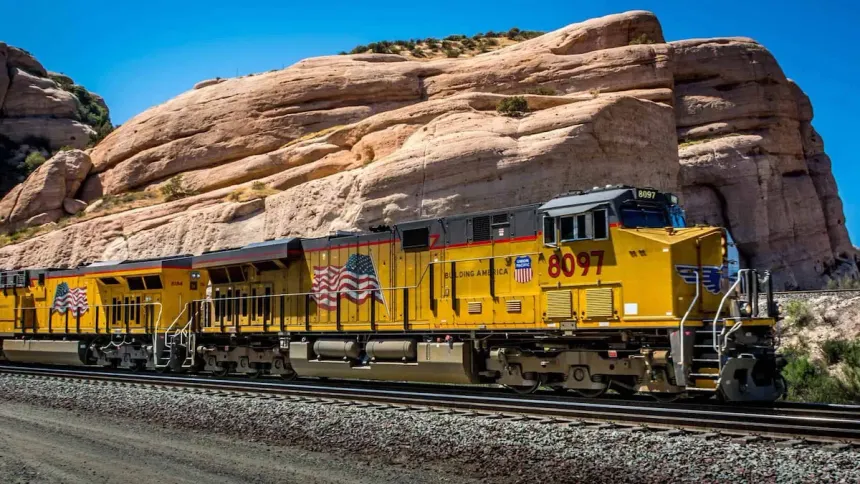
In a move poised to fundamentally reshape American freight transportation, Union Pacific and Norfolk Southern, two giants of the U.S. rail industry, unveiled plans in July 2025 for an ambitious $85 billion merger. This historic deal aims to create the nation's first coast-to-coast, single-line freight railroad, connecting an expansive 51,500 miles of track across 43 states. While shareholders have already given their resounding approval, and the companies champion promises of enhanced efficiency, environmental benefits, and improved service, the path to regulatory endorsement is proving contentious.
Among the most vocal critics is the Brotherhood of Railroad Signalmen (BRS), whose members are vital custodians of the safety-critical systems that ensure trains operate securely and on schedule. The union's pushback highlights deep-seated concerns over potential job losses, eroded safety standards, and the sidelining of workers' voices in the pursuit of corporate synergies.
The Signalmen’s Union Pushback: Safety, Jobs, and a Seat at the Table
The BRS argues that this merger, much like past industry consolidations, risks prioritizing cost savings over critical operational integrity and employee well-being. Their concerns crystallize around three core areas:
1. Safety First—or Not?
The BRS is unyielding in its stance: historical precedents show that rail mergers often lead to hurried integrations, significant staff reductions, and a consequential decline in safety standards. Signalmen warn that fewer workers tasked with maintaining an expanded network of track is a recipe for disaster, especially as railroads relentlessly pursue cost efficiencies. The union demands:
- No further cuts to signal staffing, a workforce already stretched thin after years of layoffs.
- Enforceable safety guarantees and unwavering transparency in all operational changes.
- Direct labor consultation in every merger-related decision.
“Safety standards must be strengthened, not sidelined, during and after the merger,” asserts the BRS, citing a recent uptick in derailments and infrastructure failures as clear evidence of existing vulnerabilities.
2. Job Security on the Line
For railroad workers, the specter of job insecurity is a familiar one. The industry has shed nearly 30% of its workforce over the past decade, driven by mergers and operational shifts like Precision Scheduled Railroading (PSR). Union Pacific alone has halved its maintenance-of-way workforce since 2015, and Norfolk Southern recently announced a 7% staff reduction. The BRS fears the proposed merger will:
- Trigger widespread layoffs, particularly in overlapping administrative and operational roles.
- Result in the relocation or elimination of up to half of Norfolk Southern’s headquarters jobs.
- Unduly prioritize shareholder gains over the long-term stability and well-being of employees.
3. Regulatory and Legal Action
The BRS isn’t merely voicing concerns; they are actively engaging to safeguard their members’ interests and public safety. Their actions include:
- Issuing comprehensive public statements and press releases to raise awareness.
- Engaging directly with the Surface Transportation Board (STB) to demand rigorous oversight.
- Setting clear conditions for any potential support: enforceable job protections and ongoing safety monitoring.
The Broader Picture: Financials, Industry Impact, and Regulatory Hurdles
Beyond the union’s immediate concerns, the merger casts a wide net across financial markets, regulatory bodies, and the broader U.S. economy.
Financial Performance & Market Reaction
Union Pacific’s stock saw an almost 8% surge immediately following the merger announcement, reflecting strong investor optimism regarding potential annual synergies estimated at $1.75 billion. Analysts largely view the deal as a “once in a lifetime” opportunity, though many temper their enthusiasm with warnings about significant regulatory and labor risks.
Regulatory & Legal Landscape
The STB is currently conducting an exhaustive review, with a decision anticipated in 2026. Simultaneously, the Department of Justice and various state attorneys general are scrutinizing the deal for potential antitrust implications and national security concerns. Competitors, including BNSF and CSX, along with numerous shipper groups and other labor unions, have filed formal objections, citing fears of reduced competition and subsequent increases in shipping costs.
Industry & Economic Implications
If approved, the merged entity would control approximately 40% of U.S. rail freight, raising significant concerns about market concentration and potentially diminished competition. Proponents argue the merger could shift up to 2 million truckloads to rail annually, promising reductions in emissions and highway congestion. Critics, however, point to a historical pattern where past mergers rarely delivered lower shipping costs or improved service for customers, often leading instead to service disruptions and price hikes.
Conclusion: Who Will Set the Track?
The proposed Union Pacific–Norfolk Southern merger represents a pivotal moment for American railroads. While the companies and their investors envision a future of unparalleled efficiency and seamless coast-to-coast service, the signalmen’s union and other labor groups paint a starkly different picture: one of fewer jobs, heightened safety risks, and a system where the pursuit of profits drowns out the essential voices of its workforce.
As the STB and other regulatory bodies meticulously weigh the evidence, the outcome of this decision will undoubtedly establish a critical precedent for the future of rail labor, competition, and service quality across the U.S. Will this merger truly deliver on its ambitious promises, or will it inadvertently repeat the costly mistakes of the past? For now, the signalmen’s warning lights are flashing red, signaling caution ahead for the tracks of American commerce.