BP PLC: Navigating Volatility Amidst Falling Oil Prices
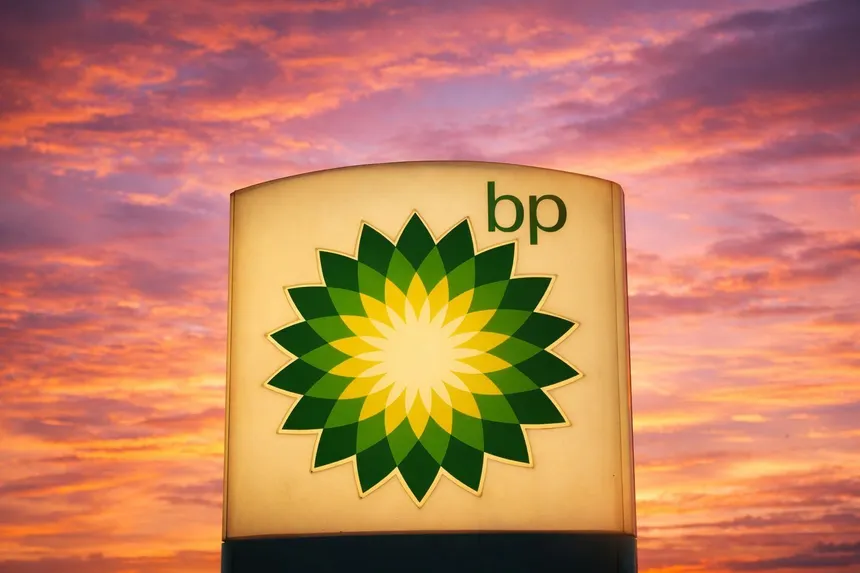
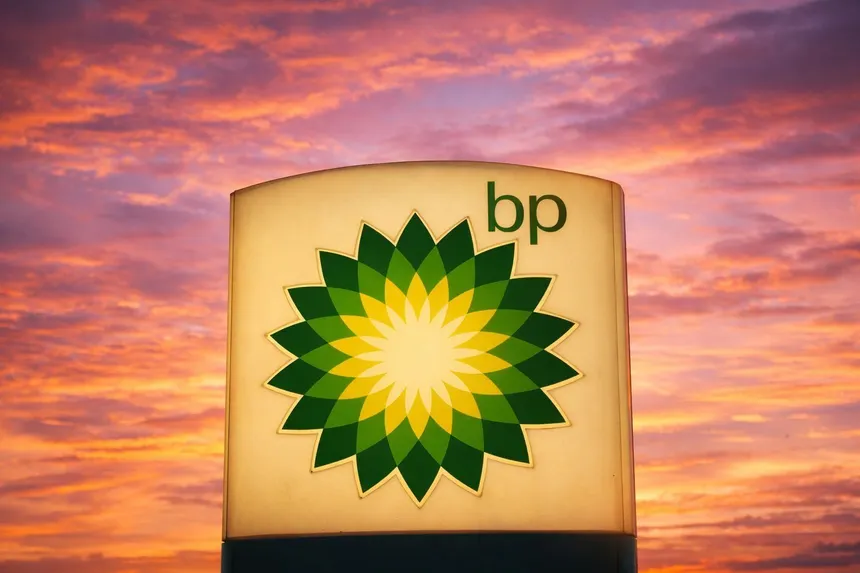
BP PLC (LSE:BP), a titan in the global energy sector, currently trades at 425.85 pence on the London Stock Exchange. While the stock has seen an impressive 8.78 percent year-to-date gain from its lows near 329.25p, it's now struggling to breach resistance at 427.90p. For income-focused investors, BP offers an attractive dividend yield of 5.56 percent (indexed at 5.48 percent), underpinned by a robust market capitalization of 67.01 billion GBP across 14.98 billion shares outstanding.
Under the steady leadership of CEO Murray Auchincloss, BP has demonstrated strong cash generation and disciplined capital allocation, crucial in today's volatile energy markets. However, the company's trajectory into 2026 is increasingly tethered to the unpredictable movements of crude oil prices, which present the most significant headwind.
The Critical Headwind: Declining Crude Oil Prices
Brent crude, the international benchmark, has recently experienced a sharp decline, settling around 60 dollars per barrel. This downturn has directly impacted BP's share price in recent weeks, and major forecasters are now projecting further downside. The consensus points to a structural oversupply building in the global oil market, putting sustained pressure on prices.
- Goldman Sachs forecasts Brent to slip to 59 dollars in Q4 2025, further declining to 56 dollars by late 2026, primarily due to high inventories and OPEC-plus supply pressures.
- The EIA (Energy Information Administration) presents an even more bearish scenario, with Brent potentially reaching 51 dollars by early 2026.
- Fitch Ratings estimates Brent will average 70 dollars in 2025 but anticipates a drop to 65 dollars in 2026 and 60 dollars by 2030.
While BP remains profitable at current prices around 60 dollars per barrel, a further decline to 55 dollars, as some projections suggest, would significantly compress its earnings. This scenario would inevitably pressure both the stock price and the sustainability of its attractive dividend.
The Oil Price Dilemma: From $60 to $55 in 2026
BP's fundamental value is intricately linked to Brent crude. The company reported 194.6 billion GBP in revenue in 2024, but its profitability swings dramatically with crude price fluctuations. At 60 dollars per barrel, BP maintains comfortable margins. However, a sustained decline to 55 dollars could slash earnings by an estimated 15 to 20 percent, depending on the speed and duration of the price drop.
The structural backdrop for crude oil prices is troubling. OPEC-plus began unwinding production cuts in September 2025, adding supply to a market where demand growth is already slowing globally. The International Energy Agency (IEA) has signaled a structural oversupply building through late 2025 and into 2026. Goldman Sachs explicitly flagged that “high inventories and OPEC-plus supply” will cap any rallies, while ING emphasized “weaker demand growth and rising non-OPEC output” as persistent headwinds.
Moreover, geopolitical developments could exacerbate the situation. A potential Ukraine peace deal could free up Russian barrels, or a restoration of Venezuelan production could add another 5 to 10 million barrels daily to global markets. Such an influx could overwhelm demand, potentially pushing crude oil prices towards 50 dollars per barrel.
Even at 55 dollars per barrel, BP would likely still earn a profit, but its cushion would significantly narrow. The current 5.56 percent dividend yield is appealing, but dividend coverage ratios would tighten considerably if earnings fall by 15-20 percent. Shareholders accustomed to the 6 to 7 percent yields seen in prior years might face dividend cuts if management prioritizes balance sheet strength over cash payouts in a lower-price environment.
Valuation: Cheap, But Justified?
BP's valuation metrics present a mixed picture. The company trades at a P/E ratio of 55.58 on its US ADR (BP ticker NYSE) and an elevated 180.90 on its London-listed shares. These high figures are largely due to depressed near-term earnings forecasts. Conversely, its price-to-book ratio is a modest 1.32, suggesting the market prices BP at a discount to its assets—a common characteristic for cyclical commodity players facing significant headwinds. The 5.56 percent dividend yield remains attractive for income investors, but its sustainability is contingent on crude oil stabilizing above 60 dollars per barrel.
Compared to peers like Shell (LSE:SHEL), which trades at a P/E of 14.95 and offers a lower dividend yield, BP might appear cheaper on some metrics. However, BP's higher yield typically reflects higher risk; the market is pricing in greater potential downside for BP if crude weakens further.
Looking ahead, an upside scenario could see BP rally 15 to 25 percent towards its 52-week high of 476.20p if OPEC-plus production cuts accelerate or geopolitical tensions spike crude back to 75 to 80 dollars per barrel. Conversely, if crude falls to 55 dollars and global demand deteriorates, BP could retest its 52-week low of 329.25p, representing a potential 23 percent decline from current levels.
2026 Outlook: Dividend At Risk If Brent Falls Below $55
BP's trajectory into 2026 hinges entirely on OPEC's discipline and the strength of global oil demand. Management guidance, expected in February 2026, will likely address dividend sustainability under various price scenarios. The current 5.56 percent yield implicitly assumes Brent crude near 65 to 70 dollars. If crude averages 60 dollars in 2026, investors might anticipate modest dividend growth. However, if Brent falls to 55 dollars, a 10 to 15 percent dividend cut becomes a tangible possibility.
For income investors, BP at 425p offers compelling value, but with significant commodity price risk. For traders, the stock appears range-bound between 420p support and 430p resistance. A decisive breakout will be contingent on the direction of crude oil. Investors should closely monitor Brent crude: a convincing break below 58 dollars would likely see BP test 400p, while a rally back towards 70 dollars could unlock upside potential towards 460p.
Disclaimer: This article is for educational purposes only and does not constitute financial advice. BP shares are commodity-dependent and inherently volatile. Oil price forecasts are subject to significant error, and dividend cuts are possible if crude prices fall sharply. Always consult a licensed financial advisor before making any investment decisions.