Introduction: The Unsung Power of Graphite
In the relentless pursuit of a cleaner, more sustainable future, certain foundational materials often remain out of the spotlight, overshadowed by their more glamorous counterparts. Graphite is one such mineral—an underestimated powerhouse quietly fueling the clean energy revolution. Essential for electric vehicles (EVs), grid-scale energy storage, and a myriad of advanced technologies, graphite possesses a unique blend of properties that make it irreplaceable. Despite its pivotal role and rapidly escalating demand, its strategic importance and the inherent supply chain risks are frequently underappreciated.
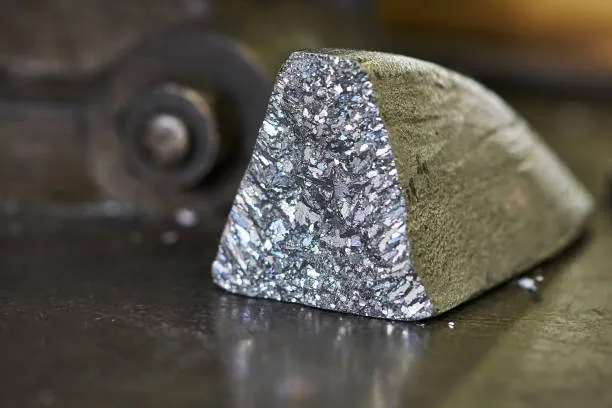
Graphite stands out as a mineral with a rare combination of metallic and nonmetallic properties, making it indispensable across a spectrum of industries. While it has long been utilized in traditional sectors like steelmaking and lubricants, its critical role in lithium-ion batteries, fuel cells, and next-generation electronics is propelling it to the forefront of the global energy transition. It is, notably, the single largest component by weight in EV batteries, yet often receives less attention than lithium or cobalt, even as it faces significant supply chain vulnerabilities and geopolitical risks.
Unique Properties and Key Types of Graphite
Graphite possesses a remarkable blend of metallic and nonmetallic characteristics, making it singularly valuable. Key properties defining its utility include:
- Electrical Conductivity: Its high conductivity is crucial for applications in batteries and electronics.
- Thermal Conductivity: Excellent heat management capabilities make it ideal for high-tech devices.
- Chemical Inertness: Graphite resists most chemicals, even at elevated temperatures, ensuring stability in demanding environments.
- Lubricity: Its layered structure allows for easy sliding, making it an effective lubricant and industrial additive.
- Flexibility: While flexible, it is not elastic, contributing to its unique material science profile.
This unique structural integrity grants graphite both conductive (metallic) and inert/lubricious (nonmetallic) qualities, rendering it irreplaceable in numerous advanced applications.
Key Types of Graphite
Graphite is primarily categorized into natural and synthetic forms, each with distinct applications:
- Natural Graphite: Occurs in three main forms: amorphous (microcrystalline), flake (crystalline), and vein (lump/chip). Flake graphite is particularly important for battery applications.
- Synthetic Graphite: Produced from petroleum coke or coal-tar pitch, synthetic graphite offers higher purity and is widely used in specialized battery applications.
- Spherical Graphite: A processed form of purified, rounded flake graphite, it is absolutely critical for battery anodes due to its optimized shape for lithium-ion intercalation.
Graphite's Expanding Role in Modern Technology
Electric Vehicles & Energy Storage
Graphite forms the backbone of the electric vehicle and energy storage revolution. It is the dominant anode material in lithium-ion batteries, accounting for 98% of the market. Each electric vehicle typically contains 50–100 kg of graphite, making it the most abundant battery mineral by weight. Beyond EVs, graphite is essential for grid-scale batteries, playing a crucial role in integrating renewable energy sources and stabilizing power grids. Its applications also extend to advanced materials like fuel cells and thermal management solutions, such as heat spreaders in sophisticated electronics.
Innovations & Emerging Applications
The innovation landscape for graphite is vibrant, continually expanding its utility:
- Silicon-Graphite Hybrids: Researchers are developing composites that blend silicon with graphite to significantly boost battery energy density and extend cycle life.
- Graphene: Derived from graphite, this two-dimensional material is revolutionizing fields from flexible electronics and high-performance batteries to advanced composites and sensors.
- Recycled & Bio-based Graphite: Efforts are intensifying to develop sustainable sources, including recycling used graphite from batteries and exploring bio-based alternatives, which promise lower environmental impact and support circular economy goals.
Graphite's indispensable role in the EV and energy storage revolution is undeniable, with new technological advancements only serving to amplify its importance across various sectors.
Market Dynamics and the Investment Landscape
The global graphite market is undergoing a profound transformation, driven by surging demand from the battery sector and evolving geopolitical considerations. Key market indicators highlight this shift:
| Metric | Value (2024/2025) |
|---|---|
| China’s Share of Production | 77–79% |
| Global Production | 1.6 million metric tons |
| Battery Sector Share (2025) | Largest growth segment |
| Spot Price Movement (Dec 2025) | +22% Rebound |
| Projected Supply Deficit (2027) | Battery-grade graphite shortfall |
Demand for graphite is projected to rise by an astounding 310% by 2036, with battery manufacturing accounting for 62% of this total usage. This explosive growth exposes significant supply risks, primarily due to China's overwhelming dominance, which produces over 90% of battery-grade graphite globally. This concentration creates a strategic choke point for the burgeoning clean energy industry. In response, Western governments and corporations are actively investing in new mining and processing facilities to diversify supply chains and mitigate geopolitical dependencies. The market is clearly shifting from traditional uses towards high-growth battery and tech sectors, with supply chain security now a top priority for nations worldwide.
Environmental and Sustainability Aspects
While graphite is crucial for green technologies, its production comes with environmental considerations:
- Mining Impacts: Open-pit mining operations, particularly in regions with less stringent environmental regulations, can lead to deforestation, water pollution, and dust emissions.
- Processing Footprint: The purification process, especially for battery-grade spherical graphite, is energy- and chemical-intensive. Synthetic graphite typically has a higher carbon footprint than natural graphite due to its manufacturing process.
- Recycling Potential: Although currently low, the recycling of graphite from end-of-life batteries is rapidly improving. Recycled graphite can achieve over 90% purity and offers a significantly greener alternative to virgin production.
- Overall Environmental Benefits: Despite its production footprint, graphite's role in enabling EVs, renewable energy storage, and cleaner steelmaking ultimately contributes to substantial environmental benefits, offsetting its production impact over the product's lifecycle.
As recycling technologies and cleaner production methods scale up, graphite’s environmental profile is set to improve, further reinforcing its integral role in the global clean energy transition.
Geopolitical and Strategic Importance
Graphite's strategic significance has surged, placing it squarely at the forefront of critical mineral discussions globally. Its supply chain is heavily concentrated, presenting substantial geopolitical risks:
| Country | Share of Global Production (2024) | Key Fact |
|---|---|---|
| China | 78–79% | Dominates 98% of refined spheroid graphite production |
| Madagascar | 5.6% | Holds the third-largest graphite reserves |
| Mozambique | ~4.7% | Home to one of the world’s largest integrated graphite mines |
| Brazil | ~4.2% | Possesses the second-largest graphite reserves |
| Canada | ~1.2% | Actively developing major new graphite projects |
China's near-monopoly on refined graphite, particularly battery-grade material, and its recent implementation of export controls underscore the vulnerability of global supply chains. In response, major economies like the U.S. and the EU have officially designated graphite as a critical mineral. This designation triggers significant policy responses, including funding for domestic mining and processing projects and ambitious targets for supply diversification. A disruption in graphite supply could severely impede the progress of the energy transition and impact national security, given its essential role in defense applications and advanced manufacturing. Graphite is now recognized as a strategic mineral with supply chain risks that rival or even exceed those of lithium and cobalt, making it a potential chokepoint for the global economy.
Future Outlook: Graphite's Enduring Relevance
The future for graphite is one of sustained and explosive growth, solidifying its status as a critical mineral for decades to come:
- Demand Explosion: Global demand is projected to triple by 2035, with the battery sector remaining the primary driver of this unprecedented surge.
- Technological Resilience: Even with ongoing advancements in alternative battery chemistries such as silicon-anode, solid-state, and sodium-ion batteries, graphite is expected to remain an indispensable component for at least the next decade, often forming a crucial hybrid or foundational element.
- Investment & Innovation: Significant investments in new mining operations, enhanced recycling infrastructure, and advanced material research (e.g., graphene, advanced composites) will continue to expand graphite’s reach, value, and strategic importance across various industries.
Visualizing Graphite's Explosive Demand
The accompanying chart vividly illustrates the projected surge in graphite demand, particularly highlighting the dominant role of the battery sector in driving this growth.

Summary: The Dual Nature of Graphite
To encapsulate graphite's pivotal yet often overlooked status, consider the following:
| Factor | Why Underestimated? | Why Powerful? |
|---|---|---|
| Public Profile | Primarily known for traditional uses like pencils and lubricants. | The foundational material for EV batteries and large-scale energy storage. |
| Supply Chain | Often overshadowed by more publicized minerals like lithium and cobalt. | China controls over 90% of battery-grade graphite supply, creating strategic vulnerabilities. |
| Technology | Perceived as "old" or conventional technology. | Enables next-generation batteries, fuel cells, and advanced materials like graphene. |
| Market Value | Historically characterized by lower price volatility compared to other battery minerals. | Global demand projected to triple by 2035, driven by electrification. |
| Environmental Impact | Faces challenges related to mining and processing footprints. | Crucial for decarbonization goals, with significant advances in recycling. |
| Geopolitics | Its strategic importance is not widely recognized by the general public. | Designated as a critical mineral by major economic blocs (U.S., EU, Asia). |
Conclusion
Graphite is undeniably the underestimated powerhouse mineral of the 21st century. Its unique properties make it essential for a vast array of advanced technologies, particularly in the rapidly expanding sectors of electric vehicles and renewable energy storage. The looming supply deficits, coupled with significant geopolitical concentration, underscore its critical strategic importance. As the world accelerates its transition towards a clean energy economy, the demand for graphite will only intensify, making it a mineral that no investor, policymaker, or industry leader can afford to overlook. Its quiet strength is set to become one of the loudest drivers of global economic and technological transformation.